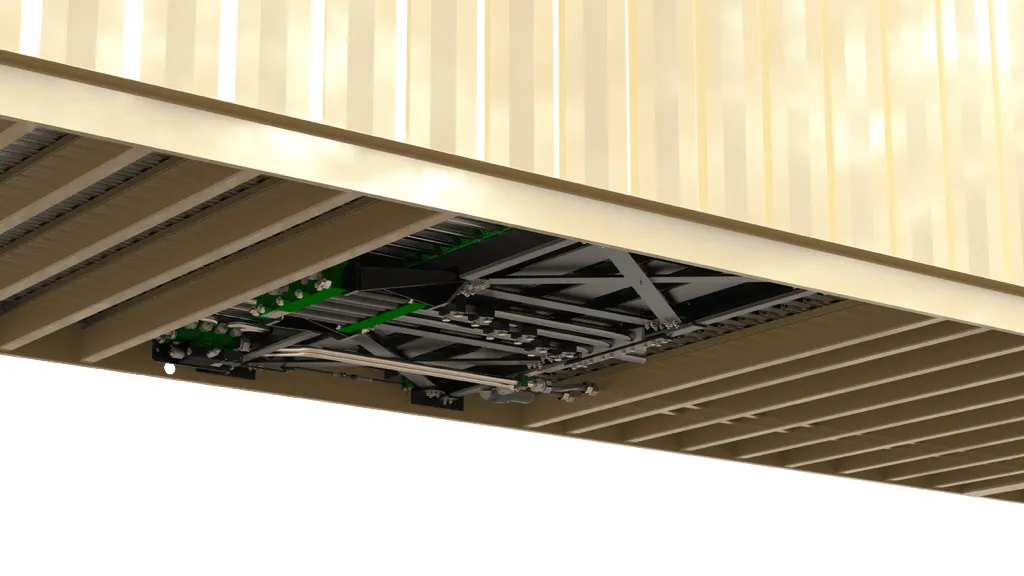

Stationary LIVE FLOOR® systems
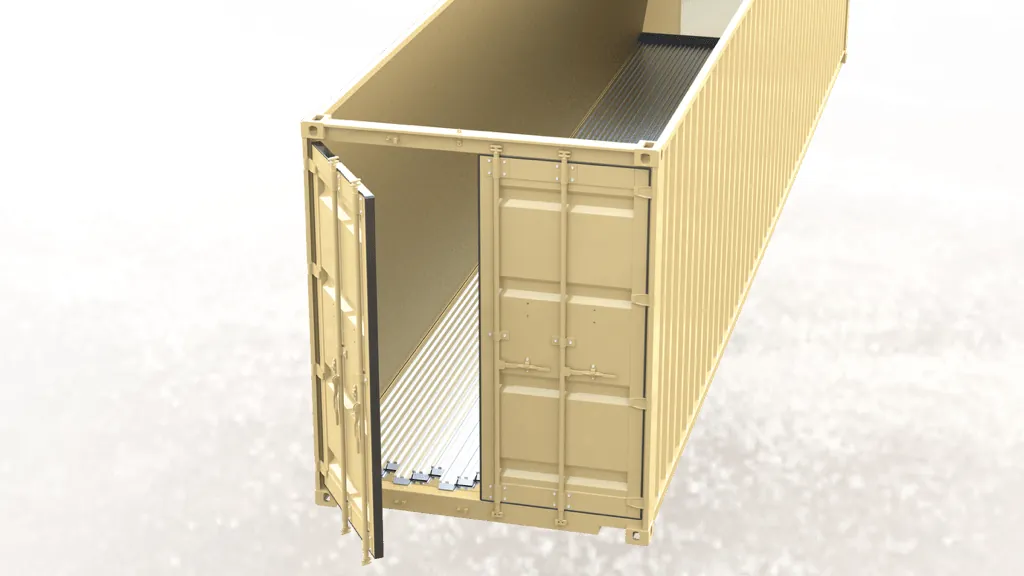
The same principle as the trailer floor, fixed at the bottom of a bunker, bin or container in the plant. Trucks tip the material in and the floor feeds it to the conveyor at the pace you need.
Where it is used
HALLCO designs and builds solutions for trucks and trailers as well as stationary conveying systems. In Vietnam, these are the places where a stationary system pays off.
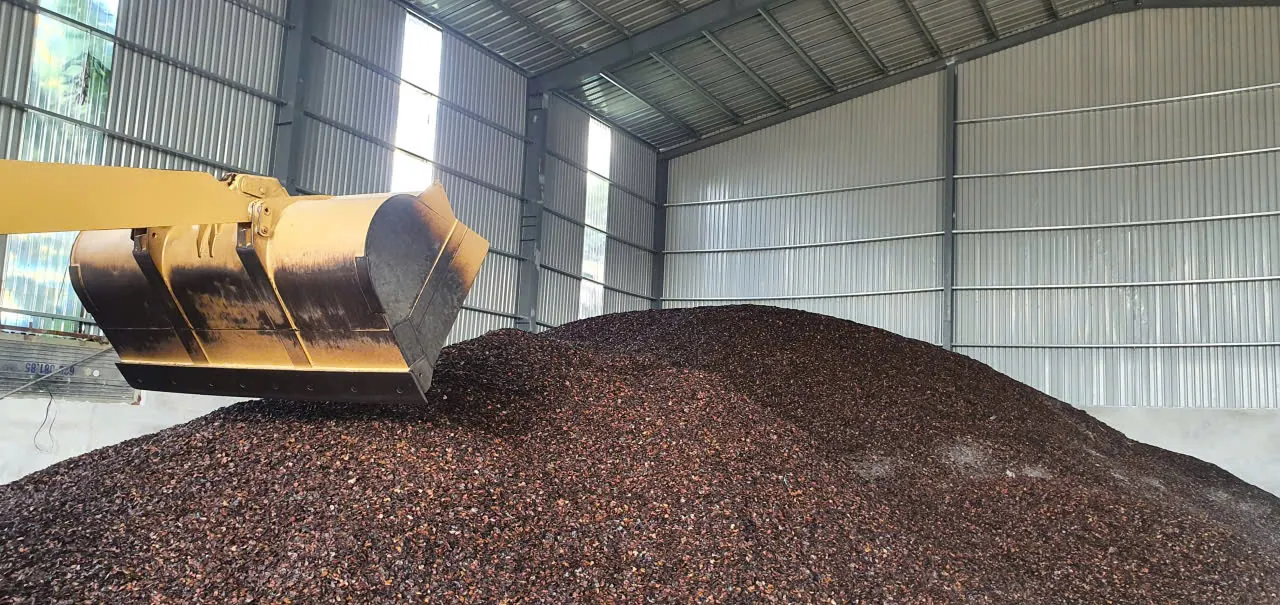
- Biomass boiler fuel storesWood chips, rice husk and cashew shells fed evenly onto the boiler conveyor, without a loader running all day in the store.
- Truck receiving bunkersTrucks tip into the bunker and the floor moves material to the line at the plant's processing rate.
- Stationary containers or binsA buffer store between receiving and processing.
- Waste transfer and compost stationsReceives large volumes and moves them onto the sorting conveyor.
Why Nhu Tin cares about this problem
Besides haulage, Nhu Tin supplies biomass fuel made from cashew nut shell residue to industrial boilers. In many fuel stores the familiar scene is a loader scooping from the pile onto the boiler feed conveyor: it ties up a machine and an operator, and it is hard to keep the feed steady.
A bunker with a moving floor solves exactly that. Our experience running biomass boilers helps Nhu Tin ask the right questions during a survey: how much the boiler burns per hour, how many shifts the store must hold, and how wet the material gets.
Learn more about our fuel business at bavohatdieu.com.
What to prepare before the survey
- Drawings or dimensions of the bunker or bin, including existing ones
- Material type, moisture and tonnage received per day
- The feed rate the line needs per hour
- Where the hydraulic power unit and electrical supply can go in the plant
- How trucks unload into the bunker: rear tip, side tip or moving floor truck
Normal operating conditions
In its warranty document, HALLCO defines normal operation of a stationary system as moving evenly distributed, non-corrosive material in amounts not exceeding the manufacturer's rated capacity. The bunker design should follow these conditions from the start.